Dispersion and interface
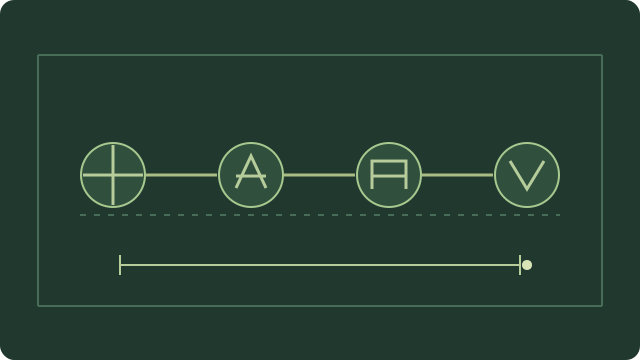
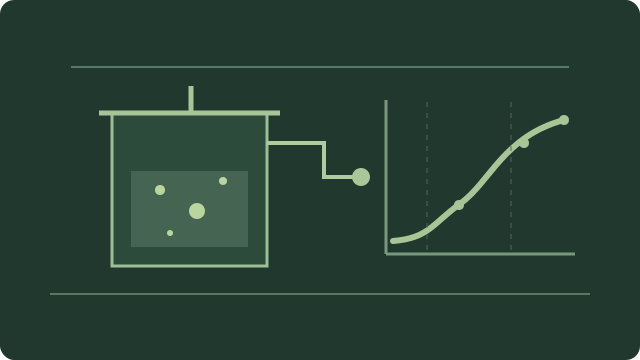
High mineral loading requires stable dispersion and interface compatibility.
Technology
PMU engineering goes beyond increasing mineral content. It manages mineral dispersion, interface compatibility, processing stability and finished-product performance. Different products require different grades, formulations and qualification plans.
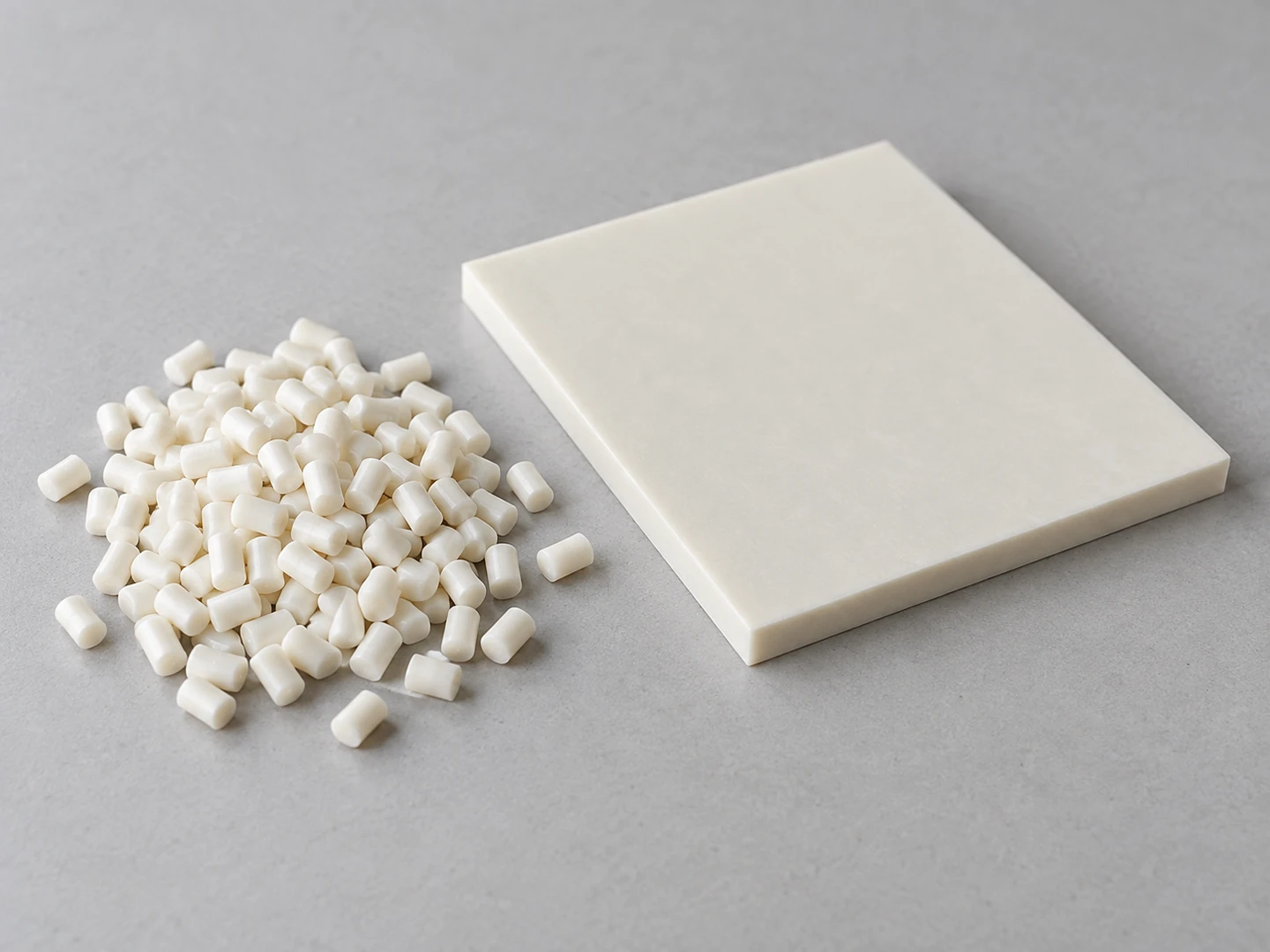
High mineral loading requires stable dispersion and interface compatibility.
Temperature, speed, pressure and forming stability must be tuned on the selected equipment.
Mechanical, barrier, food-contact or other compliance testing follows the specific article.
Samples, trial batches and customer approval precede stable supply.
TEST & QUALIFICATION SCOPE
1.435 kg CO₂-eq/kg applies to the ISO 14067:2018 cradle-to-gate boundary and referenced 25 kg MU-Z007 package.
90.3% · 779 days · ASTM D5511 · high-solids anaerobic digestion under specified conditions. Conversion of the polypropylene component in the specified thin-film sample.
Strength, barrier, moisture resistance, antibacterial and food-contact performance require grade- and article-specific qualification.